G7 Leaders Demand Lebanon Ceasefire, Move to Diversify Energy Amid Interim US-Iran Peace Deal
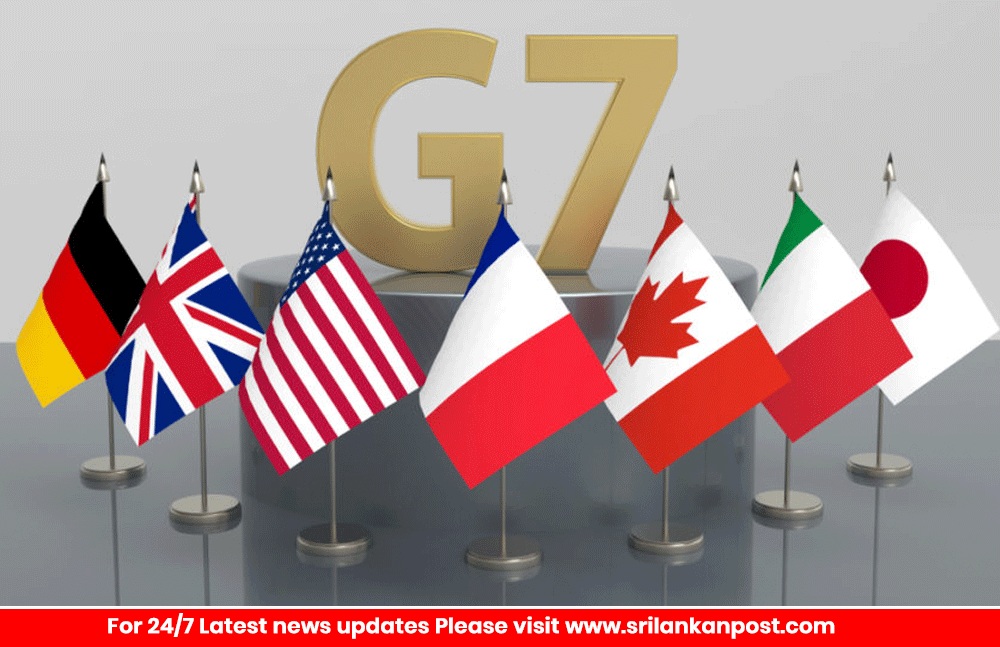
ÉVIAN-LES-BAINS, France — Group of Seven (G7) leaders issued a joint demand for an immediate ceasefire in Lebanon on Wednesday (17), while moving to permanently diversify global energy routes to reduce dependence on the volatile Strait of Hormuz.
The announcement came during the G7 summit in Évian-les-Bains on Lake Geneva, as details began to emerge of a major interim ceasefire agreement between the United States and Iran. The official unveiling of the accord is expected this Friday across the Swiss border.
1. The US-Iran Accord & Shifting Geopolitics
The preliminary Memorandum of Understanding (MoU) extends an initial April truce by another 60 days, giving Washington and Tehran a window to negotiate a permanent end to a war that has claimed over 7,000 lives, primarily in Iran and Lebanon.
- Preventing a Nuclear Iran: In a joint statement, G7 leaders emphasized: “We underline the need for the negotiation… to address the threats posed by Iran in the region and beyond and ensure that they never obtain a nuclear weapon.”
- Allied Skepticism: While major allies (Britain, Canada, France, Germany, Italy, and Japan) share Washington’s nuclear concerns, they never formally endorsed Trump’s decision to go to war. Many worry Tehran has gained diplomatic leverage by withstanding the superpower onslaught and maintaining control over the Strait of Hormuz.
- Securing Global Shipping: G7 leaders expressed readiness to help enforce the truce. A British- and French-led maritime coalition is prepared to secure shipping lanes once the Strait of Hormuz reopens, which is anticipated this Friday.
2. Domestic and Strategic Concessions for Trump
The interim deal has drawn early scrutiny, as U.S. President Donald Trump appears to have achieved few of his initial wartime objectives ahead of the upcoming U.S. midterm elections in November:
- Theocratic rule in Iran remains intact.
- Iran’s highly enriched uranium stockpile has not been surrendered.
- Tehran’s ballistic missile capabilities remain active, and its support for anti-Israel militias continues.
While Trump insists the deal ensures Iran will never obtain a nuclear weapon, critics note this has been Tehran’s official stance since the 1970s. However, the agreement does include a $300 billion reconstruction fund for Iran, financed by neighboring Gulf states, contingent on Iranian compliance with future terms.
3. The Lebanon Dilemma and US-Israel Rifts
One of the most complex hurdles to a lasting peace is the situation in Lebanon, which Israel invaded in March to root out Hezbollah following cross-border solidarity strikes.
Conflicting Stances on Withdrawal
- Iran’s Position: Demands that a permanent truce must include a total Israeli military withdrawal from southern Lebanon.
- Israel’s Position: Having been excluded from the US-Iran bilateral negotiations, Israel refuses to withdraw and maintains its right to use preemptive military force.
- Hezbollah’s Stance: A spokesperson confirmed to Reuters that the group believes Iran will not agree to a permanent settlement if the Israeli occupation continues.
Strained US-Israeli Relations
The situation has exposed a widening diplomatic rift between Washington and Jerusalem. President Trump publicly voiced his frustration with Israeli Prime Minister Benjamin Netanyahu at the summit.
“Without us, without the United States, there would be no Israel. Without me, there would be no Israel, because no other president was willing to do what I did,” Trump stated on Tuesday, adding he was “not happy” with Israel’s wartime conduct.
In response, the final G7 communiqué called for an “immediate robust ceasefire” in Lebanon alongside the disarmament of Hezbollah.
4. Market Reactions and Energy Safeguards
The prospect of peace immediately reverberated through global markets:
- Plunging Oil Prices: Brent crude futures dropped below $80 per barrel, hitting their lowest level since the conflict began, driven by the imminent reopening of the Strait of Hormuz.
- Sanctions Relief: A senior U.S. official confirmed that Washington will waive sanctions on Iranian oil under the new agreement, potentially reintroducing millions of barrels into the global supply. Experts note, however, that Middle Eastern energy infrastructure will take months to fully recover.
- Long-Term G7 Strategy: To mitigate future economic shocks, G7 leaders formally committed to “accelerate the diversification of energy supply routes in order to reduce global vulnerability to the Strait of Hormuz and to increase our energy stocks.”