US Sanctions ICC President and Senior Lawyer in Latest Escalation Against Court
US Secretary of State Marco Rubio has announced sanctions against International Criminal Court (ICC) President Tomoko Akane and senior ICC trial lawyer Abdoulaye Seye, marking the latest escalation by the Trump administration against the international tribunal.
Rubio said the sanctions were imposed over the two officials’ involvement in ICC efforts to prosecute officials from countries that have not consented to the court’s jurisdiction.
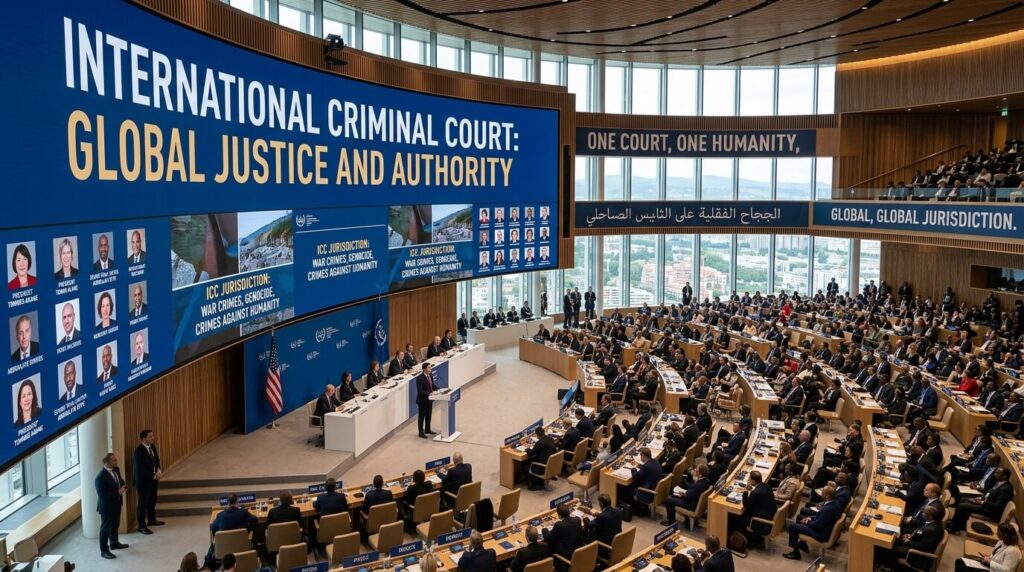
The move forms part of a broader US campaign aimed at challenging the authority of the ICC, which has jurisdiction to investigate and prosecute genocide, crimes against humanity and war crimes under certain circumstances.
US Accuses ICC of Exceeding Its Authority
Announcing the sanctions, Rubio accused the ICC of being a politically motivated institution that had exceeded its mandate and interfered with national sovereignty.
He said the United States would not tolerate what he described as an assault on state sovereignty.
The sanctions target ICC President Tomoko Akane of Japan and Senior Trial Lawyer Abdoulaye Seye of Senegal.
The ICC, meanwhile, said it stands behind its staff and warned that measures targeting its officials undermine the rule of law.
Sanctions Include Asset Freezes and Travel Restrictions
The latest measures add to sanctions already imposed by the Trump administration against ICC officials.
At least 11 ICC officials, including nine judges and the court’s chief prosecutor, have previously been targeted by US sanctions.
The measures include asset freezes, travel restrictions and limitations on services provided by US companies.
Washington previously imposed sanctions in response to ICC investigations involving US personnel in Afghanistan and arrest warrants issued against senior Israeli officials over alleged war crimes in Gaza.
Israel and the United States are not members of the ICC.
Dispute Over ICC Warrants and Palestine
The ICC’s jurisdiction over the situation involving Palestine stems partly from Palestine becoming a member of the court in 2015.
This opened the way for the ICC to examine alleged crimes committed in Palestinian territory.
Israeli Prime Minister Benjamin Netanyahu has rejected allegations of war crimes and has accused the ICC of being motivated by antisemitism.
The Israeli government has also rejected the court’s jurisdiction in the matter.
Trump Administration Calls for Countries to Leave ICC
President Donald Trump’s opposition to the ICC dates back to his first term.
Trump previously described the court as a threat to the United States and rejected its authority over American personnel.
The Trump administration has now intensified its campaign against the institution.
Last month, Rubio called on the ICC’s 125 member countries to withdraw from the court as part of Washington’s effort to dismantle the institution “brick by brick.”
A US official said Washington would closely monitor which countries responded to the call.
What Is the International Criminal Court?
The International Criminal Court, established in 2002, is an international tribunal empowered to prosecute individuals for genocide, crimes against humanity and war crimes.
Its jurisdiction generally applies to crimes committed in member states or situations referred to it by the UN Security Council, subject to the court’s governing legal framework.
The latest US sanctions have further intensified the dispute between Washington and the ICC over the limits of international criminal jurisdiction and the principle of national sovereignty.
Read more articles like this on www.srilankanpost.com