“I’m the Boss”: Trump Assets Authority at G7 Summit Amid Shift on Ukraine and Trade
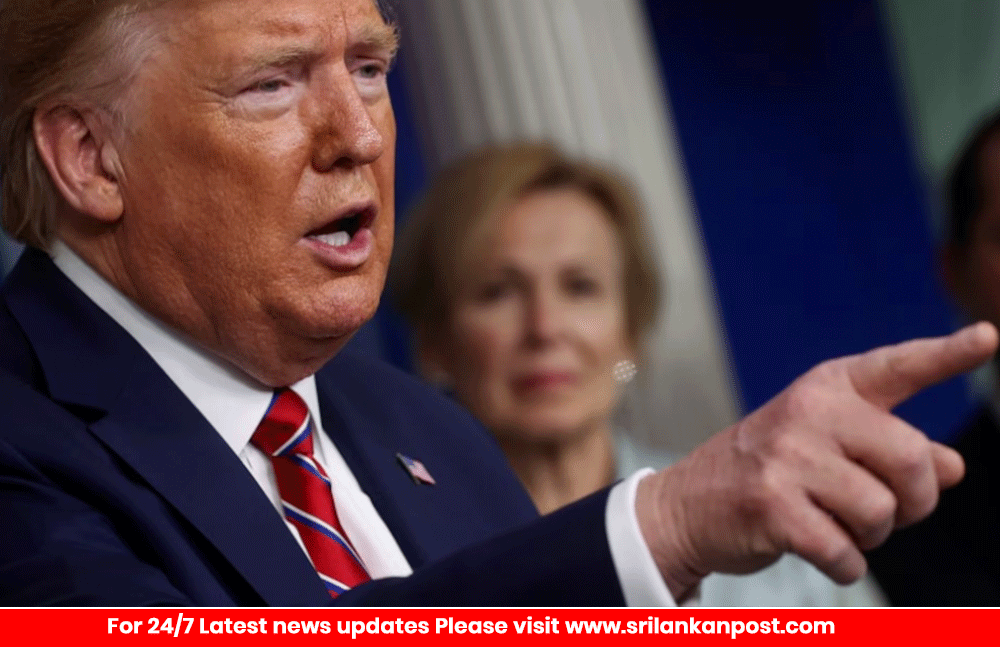
ÉVIAN-LES-BAINS, France — U.S. President Donald Trump made his presence felt at the annual Group of Seven (G7) summit on Wednesday, jokingly telling global leaders, “I’m the boss,” during a session on economic security.
The tongue-in-cheek remark underscored the political dynamic hanging over the June 15–17 summit in the French resort town of Évian-les-Bains. It came alongside a unified pledge of support and fresh sanctions against Russia, signaling that the Trump administration may be warming to Kyiv’s arguments following years of skepticism.
1. A Shifting U.S. Stance on Ukraine
Ukrainian President Volodymyr Zelenskyy and his allies arrived at the summit aiming to prove that Ukraine’s battlefield efforts are yielding tangible results, arguing that Russia is in no position to dictate peace terms.
- Harder Line on Moscow: G7 leaders issued a joint statement that could strengthen Kyiv’s leverage in future peace negotiations.
- International Observations: Canadian Prime Minister Mark Carney noted a distinct shift in the U.S. approach, stating, “There is a position that is harder toward Russia and more realistic, in our view, of the situation on the ground.”
- Lingering Uncertainties: Despite Trump praising a “very good” meeting with Zelenskyy, it remains unclear if Washington will allow specific Russian oil export sanctions waivers to lapse, especially given Trump’s recent diplomatic focus elsewhere.
2. The Influence of the U.S.-Iran Preliminary Deal
The tone of the economic talks was significantly influenced by a preliminary peace memorandum between the U.S. and Iran, signed by Trump on the eve of the summit.
- Securing Energy Routes: G7 leaders welcomed the development and expressed readiness to help implement it.
- The Strait of Hormuz: Plans are underway to diversify energy supply routes and increase oil stocks to reduce global dependence on the Strait of Hormuz, which has been largely blocked during the recent conflict between the U.S. and Iran.
3. Confronting Over-Reliance on China
The G7 heavily focused on economic sovereignty and mitigating “predatory competition,” primarily aimed at Beijing. French President Emmanuel Macron summarized the global imbalance as: “China produces too much, the U.S. consumes too much, and the Europeans invest too little.”
Critical Minerals Strategy
Following Beijing’s 2025 export restrictions on rare earth permanent magnets, tungsten, and antimony, France pushed for a joint statement to safeguard Western investors from dumping and countermeasures.
Proposals discussed to scale up private investment outside of China include:
- Price supports and subsidies
- Guaranteed government purchases
- Market standards
The Structural Challenge: While the U.S. proposed a critical minerals trading bloc earlier this year, disagreements persist over how it would function under the White House’s “America First” agenda. Analysts warn that denting China’s decades-in-the-making dominance over niche materials will take years.
The “Second China Shock”
Europe is increasingly alarmed by China’s massive €360 billion ($400 billion) trade surplus as it moves up the value chain. Ahead of a subsequent EU summit in Brussels to debate tougher trade defenses, Beijing rejected claims of unfair subsidies and vowed “strong” countermeasures against proposed “Buy European” policies.
4. Artificial Intelligence on the Agenda
The summit concluded its Wednesday sessions with a working lunch centered on the future of artificial intelligence. Leaders debated tech sovereignty, the liability of automated bots and AI agents, and how generative models present truth versus falsehood. High-profile tech figures, including OpenAI founder Sam Altman and Anthropic CEO Dario Amodei, were slated to participate in the discussions.